Learning to fly…high school graduation
Pay close attention, friend, to what your father tells you;
never forget what you learned at your mother’s knee.
Wear their counsel like a winning crown,
like rings on your fingers. Proverbs 1:8-9 The Message
Parents, don’t come down too hard on your children or you’ll crush their spirits. Colossians 3:21 The Message
Do not train a child to learn by force or harshness; but direct them to it by what amuses their minds, so that you may be better able to discover with accuracy the peculiar bent of the genius of each. Plato
Every new beginning comes from some other beginning’s end. Seneca
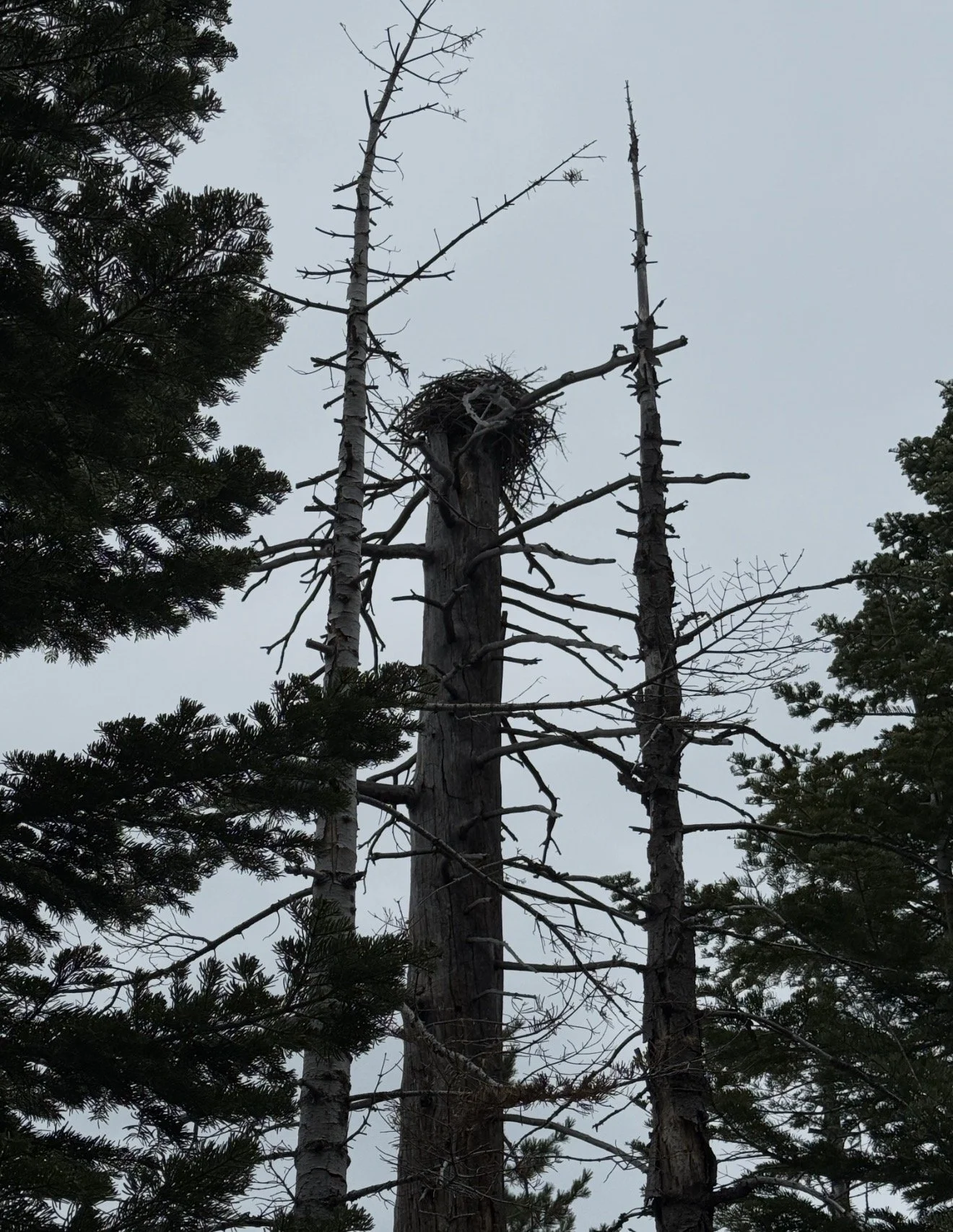
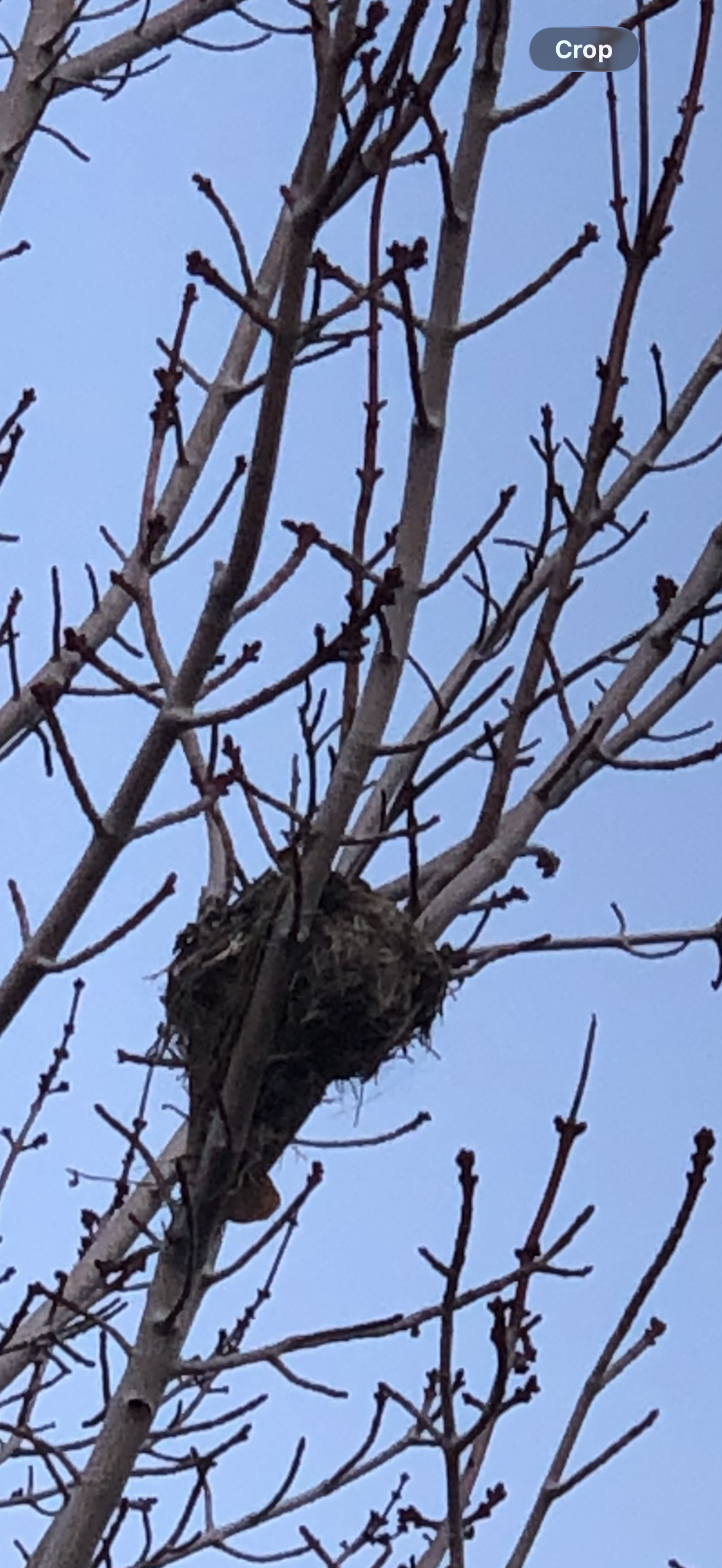
Many people have the misconception that most birds push their babies out of the nest when the time is right, and the young ones simply fly away. Yet that’s not quite the way of it.
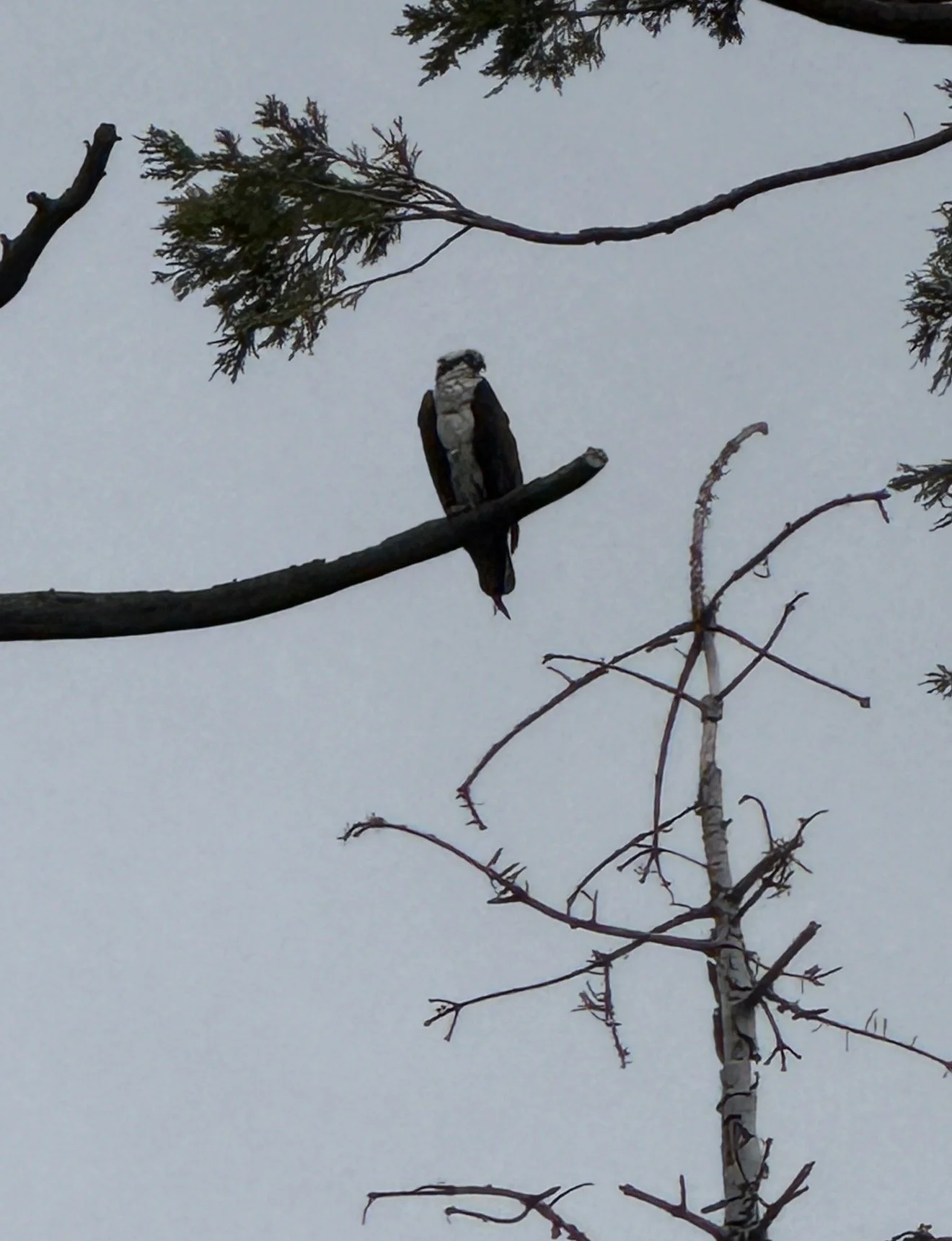
When birds first hatch, they are featherless and helpless and the parents do everything for them, rather like human parents take care of their babies! Later, as the young hatchlings begin to grow feathers and become stronger, the parents still bring them food and take care of them, but the young birds begin to hop about the nest, flap their wings, and start to take notice of the world outside of the nest. Not unlike human children learning to walk, then beginning to grow up and become interested in the world outside of their family. Finally, the young birds are almost ready to fly. The parents begin to put the food further and further away from the nest to encourage the young to hop out on a limb where flapping and balance build necessary skills. A bit like the high school years, where independence is on the way, but not completely there yet.
Then, the birds become full on fledglings. They look more like an adult bird but are still learning to fly. This is when the young birds may fall out of the nest, or off a limb, onto the ground below. They are mostly grown up and can sometimes find food, yet the parents still provide meals as needed. They call out to encourage the young to fly or warn them of dangers that can be seen from the overhead perspective of the parents; they urge their young to hop to a fence of fly a short distance even if just up to a fence top to move out of a perilous situation. Like a high school graduate, the youthful bird is ready to fly, but still not quite ready to completely launch out on their own. Just as most parents help their young adults a bit through the initial post high school years, both financially and in terms of emotional support.
Graduating from high school is an exciting time of life for both graduates and their parents. For the graduates, the bright blue future of the beyond beckons, though at times it can be a bit intimidating to figure it all out. For parents, there’s the satisfaction of seeing their young adult ease towards full autonomy, but there’s also a bit of trepidation. Parents are there to help as needed, but their goal is for their young adult to work out of the fledgling stage to live a full, independent life.
In the world of birds, that fledgling stage is an exciting, but dangerous time of life. Dangers are all around on the ground and in the air, so young fledglings must learn to be alert and move away from hazards. Parents can warn their young but generally not save them. Yes, people are probably more like birds than we realize!

So, if you have a fledgling leaving the nest this year, graduating from high school, help your young adult by continuing to encourage development of strength and wisdom leading to independence. Treasure the present times of interaction, knowing that the day is fast coming when your “baby” will no longer need you, but will fly into the future! And thank God that, unlike birds, we can hope that our lives will continue to be shared, even when our children become independent adults!